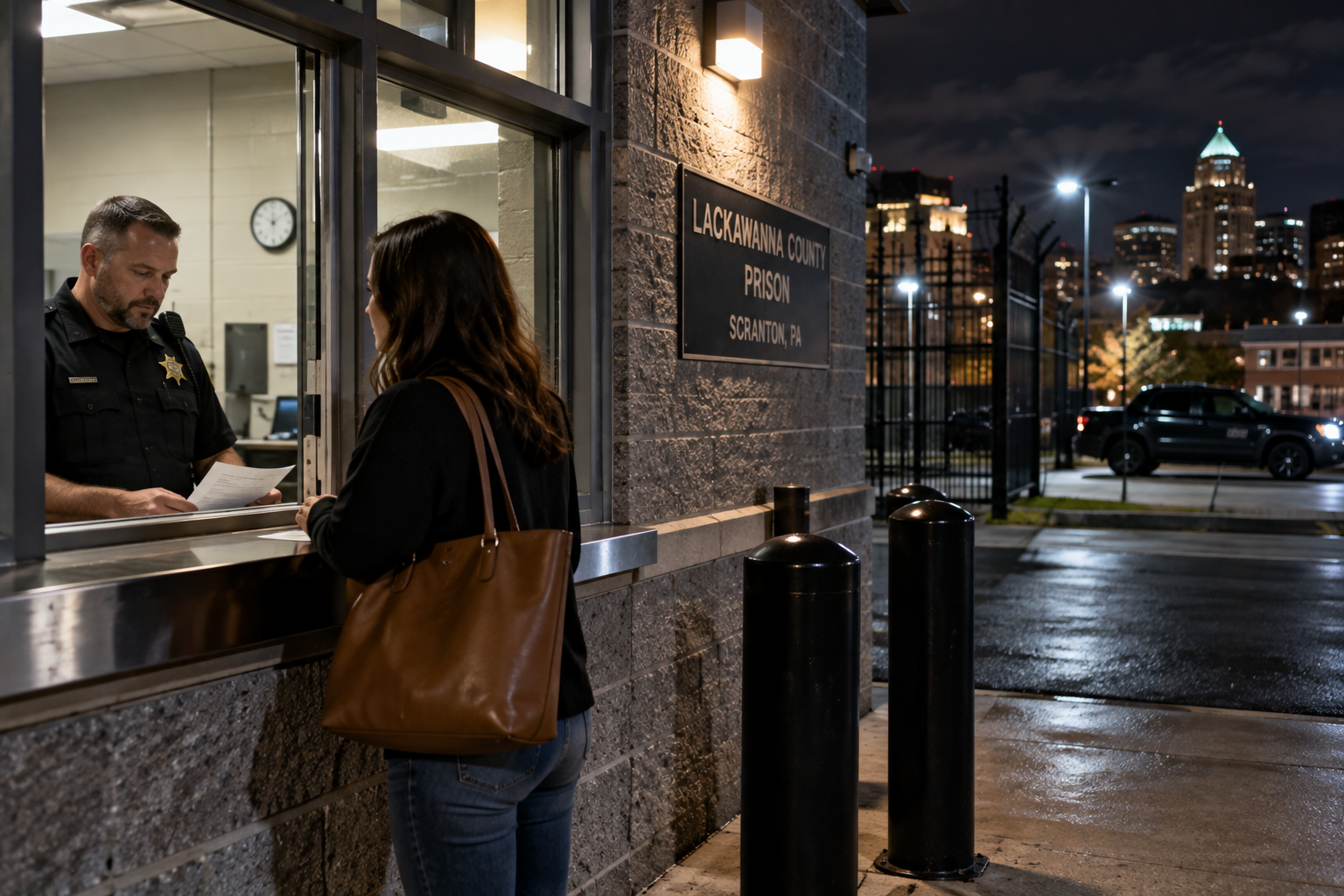
Getting Out on Bail for the First Time: A Simple Guide
Dealing with bail for the first time can be a whirlwind of emotions and questions. Whether you're helping a friend or navigating this process yourself, understanding the steps from arrest to release can make things a lot easier. Need fast help? Our bail bond services are here to guide families with clear steps and steady support.
This guide walks you through the bail process in straightforward terms, covering everything from booking and setting bail to the paperwork, payment, and release. It also highlights common delays, how to sidestep typical pitfalls, and when to seek professional help. For more on arrests and court procedures, check out our step-by-step arrest guide.
We've kept this guide practical by referencing official sources like the U.S. Courts and the Pennsylvania Courts for legal insights on bail and pretrial release.
Understanding Bail
Bail Isn't a Punishment
Bail isn't about guilt or punishment. It’s a condition set by the court to release a person while they await future court dates. The main aim is to ensure the accused shows up in court. Courts often set financial terms, but sometimes release involves non-financial conditions, depending on the case and the person's background.
Why Bail is Used
Bail balances public safety with the right of a defendant to be free before trial. Judges consider factors like flight risk, community ties, past court attendance, and the seriousness of the charge. Some may be released on their own recognizance, meaning no money is needed. In other cases, a monetary bail or other conditions are set.
Bail vs. Bond
While people often mix up “bail” and “bond,” they're not the same. Bail is the amount set by the court, whereas a bond is a financial agreement that covers the bail when the full amount can't be directly paid. If you're considering further help, read our guide before contacting a bail bondsman for essential terms you should know before deciding.
What Happens After an Arrest
The Booking Process
After an arrest, the person is usually taken to a police station or detention center for booking. This includes taking down personal information, fingerprints, photos, inventory of belongings, and checking records. The process can be slow, especially in busy facilities or with ID issues. While it feels urgent to act fast, booking must happen before bail can proceed.
Gathering Information
During booking, the police create an official record of the case, which is crucial for determining charges and bail. Accurate details like full name, birthdate, and facility location can speed things up. If you’re unsure where someone is held, local jail staff or dispatch can help confirm their location.
Staying Organized
Staying calm can make a big difference. Families should note down the person's name, booking number, jail location, and charges. Keep records of who you speak to and when. If you're assisting from outside, our " To Do If a Loved One Is Arrested article helps you avoid common mistakes and stay focused on the key steps.
Setting Bail
Factors Judges Consider
A judge, magistrate, or arraignment court usually sets bail, considering factors like the offense's seriousness, criminal history, job status, residence stability, family ties, and any missed court appearances. Judges also weigh community risk, especially with violent charges. Bail decisions are personalized, so two similar cases might have different outcomes.
Release Without Cash
In some low-risk situations, the court might allow release on recognizance or non-monetary conditions like check-ins or travel limits. According to the U.S. Sentencing Commission, pretrial decisions can affect outcomes, work, and family life. That's why understanding the process early is so important.
When Bail is High
If bail is too steep for a family to cover, a bond can be a practical alternative. A bond service posts the bail amount in exchange for a fee and collateral. If you're weighing options, our in-court assistance can help once hearings start, as preparation continues post-release.
The Role of a Bail Bondsman
Guiding Through the Process
A bail bondsman helps families manage the financial side of release. Instead of paying the full bail, the family pays a fee to the bondsman, who posts the bond for the defendant. This eases the immediate cash burden. For many first-timers, the real benefit is understanding each step as it unfolds.
Paperwork and Communication
First-timers often don't realize how much paperwork is involved. A bondsman might need personal info, work details, references, and collateral. Clear communication is key, as mistakes can delay things. If you're new to this, having a knowledgeable guide can prevent stress from snowballing into bigger issues.
Why Local Experience Matters
Local expertise counts because procedures and routines differ from county to county. Quick help often comes from someone who knows the local system and can act fast when needed. For more on this, read our local bail bond service guide to see why proximity and familiarity can speed things up.
Steps to Release Someone on Bail
Step 1: Confirm Jail and Charges
First, confirm where the person is held and their charges. Without this, it’s hard to know what paperwork is needed or the bail amount. If charges aren't in the system yet, a short wait may be necessary. Patience here prevents future confusion.
Step 2: Check Bail Amount and Options
Once bail is set, decide whether to pay it, wait for a hearing, or contact a bondsman. Many choose a bond for cash flow and speed. If bail is high, asking about payment options and collateral early can save time. Our " How Bail Bonds Get You Out Quicker " article is helpful here, as it compares options.
Step 3: Complete Bond Paperwork
Bond paperwork includes ID details, contacts, and agreement terms. The signer, or co-signer, agrees to help ensure court appearances and follow bond terms. Read all documents before signing. Resolve questions about payment or collateral before posting the bond.
Step 4: Wait for Jail Processing
After posting the bond, release isn't instant. The jail needs time to process it, update records, and complete checks. This can range from a short period to several hours, depending on staffing and volume. Be prepared for a wait, so you're not surprised by delays.
Avoiding Common Delays
Correct Information is Key
Delays often happen due to wrong info. Incorrect names, birthdates, or contacting the wrong facility can stall things. Keeping details organized speeds up the process. Precise information helps bondsmen or family members work through the steps faster.
Jail Processing Delays
Jail workload, shift changes, or admin backlogs also cause delays. Even when everything's ready, many people may be waiting to be processed. According to the Bureau of Justice Statistics, these delays are often procedural, not personal.
Reducing Delay Risks
Reduce delays by answering calls promptly, collecting documents early, and keeping your phone ready for questions. Make sure the co-signer understands the agreement and can respond quickly if needed. A proactive approach shortens the time from approval to release. If time is tight, our delay prevention guide has practical steps you can use right away.
What Families Should Expect
Stay Calm and Organized
First-time bail situations often bring feelings of fear, embarrassment, or anger. Those emotions are normal. The best approach is to slow down, gather facts, and avoid assumptions. Clear notes, one contact person, and a simple checklist help keep things from getting chaotic.
Focused Communication
With many family members involved, information can get mixed up. It's best to have one person handle communication with the jail or bondsman. This avoids missed calls and repeated questions, making it easier to track progress and next steps.
Planning for Release Day
On release day, you'll need transportation, clothing, ID, and a safe place for the person leaving custody. They might need a ride, phone access, medication, or a quiet place to adjust. Plan who will pick them up and how they’ll get home. These details matter after a stressful experience.
After Release: What Comes Next
Court Dates Matter
Release isn't the end. The defendant must attend future hearings and follow the court's instructions. Missing a date can lead to serious consequences like forfeiture or a bench warrant. Many families use reminders, shared calendars, and written notices to stay organized post-release.
Conditions May Continue
Sometimes release includes conditions like travel limits, curfews, or no-contact orders. Follow these carefully, as breaking them can risk the bond. If you're unsure, ask early. Our in-court assistance can help prepare for hearings and support clients before, during, and after court appearances.
Keeping in Touch
Good communication after release helps everyone. If the defendant changes their phone number, moves, or gets new court information, let the bondsman and key family members know immediately. This is crucial with multiple hearing dates. Staying connected helps the case move smoothly.
FAQs on First-Time Bail
How Long Does Release Take?
Release timing depends on the jail, time of day, charge type, and paperwork speed. Sometimes, release is quick after posting bond. Other times, it may take several hours. Planning for a wait is better than expecting instant release.
What If I Can't Afford Bail?
If bail is too high, a bond might be the best option. Some families ask the court to modify the amount or schedule a new hearing. For more on this, our can’t afford bail guide explains what to do when the cost is too high.
Will I Get the Money Back?
Cash bail may be refunded when the case ends, depending on court rules and conditions met. Bond premiums are usually non-refundable as they cover the bond service. Knowing this difference beforehand prevents surprises. For refund details, check our bail refund guide.
Do I Need a Lawyer Before Posting Bail?
A lawyer isn't always needed to post bail, but legal advice helps if charges are serious or special conditions apply. Bail and defense are related but separate. If your case is complex, talk to a lawyer early to understand everything.
How Ace1 Bail Bonds LLC Helps First-Timers
Quick Response When It Counts
In custody, time feels like it's dragging. Our team focuses on fast communication and clear guidance, so families can act without confusion. We offer support from the first call through release. For hands-on help, our bail bond services are built on speed and clarity.
Support Beyond Paperwork
First-time clients often need more than just posting bond. They need help preparing for court, organizing documents, and understanding the next steps. Support is crucial after paperwork is done. A calm, informed approach reduces stress and keeps families on track.
Learning is Key
If you're interested in the industry, we offer bail bondsman training covering practical knowledge, client communication, and process guidance. Education boosts service quality, helping professionals answer questions confidently. Whether you're a client or a future pro, learning the process leads to better outcomes.
Final Thoughts and Next Steps
Understanding Eases Stress
First-time bail is tough, but manageable when you know the steps. From booking and bail setting to paperwork and release, each stage has a purpose. Knowing what to expect helps you focus on the next right step instead of reacting with panic. This mindset can make a huge difference.
Act Fast, Stay Organized
Facing bail for the first time? Start by gathering facts, confirming the facility, and deciding on bond support. Keep notes organized, answer calls quickly, and ask questions before signing anything. If you need a partner, Ace1 Bail Bonds LLC is here with responsive service and clear guidance.
Reach Out When You're Ready
For trusted support, contact Ace1 Bail Bonds LLC at (570) 561-2033 or email rosnyoi@gmail.com. Visit us at 201 Lackawanna Ave ste 311E 64, Scranton, PA 18503, United States. We're ready to help families move from confusion to a clear plan. Ready to take the next step? Reach out to us and start the path to release with confidence.